

Grief arrives without warning, yet professional responsibilities demand clear communication. When death in the family occurs, crafting appropriate bereavement out-of-office messages becomes essential during an already overwhelming time.
These messages serve as your professional voice when you step away to process personal loss and handle funeral arrangements. The challenge lies in balancing courtesy with privacy, informing colleagues and clients about your absence without oversharing intimate details during vulnerable moments.
A well-crafted out of office message maintains boundaries while providing necessary information about your availability and alternative contacts for urgent matters. Whether dealing with family loss, attending a funeral service, or your workplace mourns a deceased employee, appropriate communication helps you honour your need for personal time while respecting professional obligations.
This guide provides carefully written templates for various situations, helping you communicate clearly during difficult times.
Bereavement Out-of-Office Messages
General bereavement out-of-office messages work across multiple situations when you need to step away due to loss. These messages provide flexibility while maintaining professional standards.
The primary purpose is communication, not explanation. You are informing people of your absence and providing alternatives for urgent needs. You don’t owe detailed explanations about your grief or circumstances of your family bereavement.
Choose between general terms like “personal matter” or explicit “bereavement leave” based on your comfort level.
Effective general messages:
- I am out of office following a death in the family. I plan to return by [Date]. Thank you for your understanding.
- I am currently away from work attending to a personal matter. I will respond when I return.
- I am currently out due to family bereavement. I would not be checking emails regularly. If it is urgent, contact [Name] at [email].
- Out of office on bereavement leave. Limited access to email. Will respond when I return.
- I am taking personal time after a loss in my family. Thank you for your patience.
- Currently unavailable due to personal reasons. For time-sensitive matters, please reach out to [Department].
- I am away handling family matters and will have limited email access. Apologies for any delays in response.
- Out of office for personal loss. Not sure exactly when I will return, but I am hoping by next week.
- I am currently offline due to a personal loss. I appreciate your patience as I navigate this difficult time.
- Away following a personal matter. Will respond when able. For urgent needs, contact [Manager Name].
Professional communication during grief doesn’t require elaborate explanations. Brief, clear messages respect both your time and the recipient’s attention.
Bereavement Out-Of-Office Messages With a Return Date
Providing a specific return date helps colleagues and clients plan around your absence. These messages work when you know your bereavement leave timeline.
Including dates sets clear expectations without locking you into an inflexible timeline. If circumstances change and you need more time, update your message or communicate directly with key contacts.
Effective messages with return dates:
- Out of office for bereavement leave until October 14. I will not be reading messages until I return. Urgent issues can go to HR at [hr@company.com].
- I will be away following a family loss and will return on October 10. Replies will resume after then.
- I am currently on bereavement leave through July 18. No email access during this time. For time-sensitive matters, contact [Lisa] at extension 204.
- I am currently out of the office due to a loss in my family and will return on [Date]. Thank you for your patience.
- I am away from work for a personal matter and will be unavailable until [Date]. For urgent needs, please reach out to [Manager Name].
- I am taking leave following a family bereavement. I will return on [Date]. No email access until then.
- Currently offline due to a personal loss. I appreciate your patience and will respond when I return on [Date].
- Out of office due to bereavement until August 20. I will do my best to catch up on messages after I return.
- Away on personal leave until [Date]. Limited availability. Urgent matters should be directed to [Department].
- I will be unavailable until December 1 due to family bereavement. Would not be checking emails during this period. Contact [Colleague] for urgent needs.
The return date serves as a guideline. Most organizations understand when circumstances require timeline adjustments.
Short Bereavement Messages
Sometimes brevity serves best, especially when grief makes writing difficult or when you prefer maximum privacy. Short messages communicate essentials without elaboration.
These work particularly well for internal communication where your team already knows the context. They also suit individuals who value privacy or find it emotionally difficult to write during acute grief.
Concise professional messages:
- I am currently out following a loss in my family. Back soon.
- Taking time off for personal reasons. I will reply after October 10th.
- I will be out of the office for personal reasons. Thank you for your understanding.
- Away due to family bereavement; checking messages rarely. Back next week.
- Out following a personal loss. Thank you for your understanding. Return date uncertain.
- Currently unavailable. Back soon. Urgent items to [Department].
- Bereavement leave until further notice. Contact [Name] for immediate needs.
- Away for personal reasons. I will respond after [Date].
- Out until [Date]. Limited availability. Urgent matters to [Contact].
- Away on personal leave. Back Monday. Urgent items to [email].
The absence of detail does not diminish professionalism. Clear communication serves its purpose, people know you are out, when you might return, and where to direct urgent matters.
When short messages work best:
Privacy is your priority. You are not required to explain beyond what feels comfortable. Overwhelming grief makes writing exhausting, keep it simple. Internal teams often already understand your situation. Sudden loss leaves little energy for composing detailed messages.
Out-of-Office for Funeral Messages
Funeral attendance often requires shorter absences than extended bereavement leave. These messages address specific funeral service attendance.
Funeral messages can be more specific about timing since services are typically scheduled. Adjust specificity based on your comfort level with disclosure.
Professional funeral attendance messages:
- I will be out today attending a funeral and would not have access to email. I’ll check messages tomorrow once things settle.
- Out of office this morning for a funeral. Back later in the day, though replies might take time.
- I am away from the office to attend a family funeral. No email access until I return on Monday.
- Out today for a funeral. I will respond when I am back, probably tomorrow afternoon.
- I’m stepping away to attend a funeral service. Won’t be checking messages until I’m back in the office.
- Out of office due to a funeral in the family. I will return next week and catch up then.
- Attending a funeral today. Back in the office on Tuesday and will reply to emails after that.
- I’m out for a funeral and unavailable for the rest of the day. If you need something urgent, reach out to Sam in admin.
- Out attending a funeral. My phone’s off, and I’ll check messages when I’m back later this week.
- Out of office for funeral arrangements and service. Return expected [Date]. Contact [Name] for urgent needs.
- Attending a funeral service out of town. Unavailable until [Date]. Please direct time-sensitive items to [Department].
- Away for a funeral. Limited phone access. Back [Day]. Urgent matters to [Contact].
Funeral Attendance Considerations:
Single-day absence works for local services. Multi-day absence becomes necessary with travel or when helping with arrangements. Balance work obligations with personal needs based on your specific situation.
Out-of-Office Messages for Deceased Employee
When a workplace loses a team member, colleague, or coworker, the entire office grieves. These messages acknowledge collective mourning and its impact on operations.
Compassionate workplace loss messages:
- Our team is grieving the passing of a valued colleague. The office will be slower to respond as we support one another during this difficult time.
- I’m out of office while our team navigates the recent loss of a team member. Replies will be delayed. For urgent issues, contact [support@company.com].
- Due to the loss of a team member, our office operations are limited. We’ll resume normal responses after the 10th.
- Our department is mourning the loss of a coworker. Email responses may be delayed as we support each other through this difficult period.
- The team is taking time off to honor a deceased employee. The office will reopen on [Date]. For urgent matters, contact [Alternative].
- We’re currently processing the unexpected loss of a colleague. Please expect delays in responses. We appreciate your understanding.
- Our office is closed today in memory of a team member who passed away. We will resume operations tomorrow with limited capacity.
- Out while our team mourns a colleague. Back [Date]. Urgent needs to [Department Contact].
Handling Workplace Loss Professionally:
| Consideration | Action | Purpose |
| Team impact | Acknowledge collective grief | Validates shared emotional experience |
| Operations continuity | Provide alternative contacts | Ensures urgent matters get addressed |
| Memory respect | Honor deceased employee appropriately | Shows organizational values |
| External communication | Coordinate messaging | Maintains consistent professional image |
Workplace loss affects everyone differently. Compassionate communication acknowledges both the human impact and practical work implications.
Coordination matters significantly. Discuss with management and HR about appropriate messaging, especially for external-facing emails. Some organizations prefer uniform language across the team, while others allow individual messages.
Sincere Bereavement Out-Of-Office Messages
Sometimes standard professional language feels inadequate. These more sincere messages convey genuine emotion while maintaining appropriate boundaries.
Heartfelt yet professional messages:
- I am away for personal reasons related to a recent loss. I will respond when I return, sometime next week. Please direct urgent matters to our main line. Thank you for your understanding during this difficult time.
- Out for bereavement leave. I’ll reply when I am able. Thanks for your patience and understanding.
- I am taking time away following a death in the family. I will return emails after I’m back in the office. I appreciate your patience as I navigate this loss.
- Currently out following a family loss. Your patience and understanding mean more than you know. I will respond when I am able.
- Away on bereavement leave. This loss has been difficult, and I appreciate your compassion as I take necessary time. Back [Date].
- I am unavailable while I grieve with my family. Thank you for respecting this personal time. I will reply to messages when I return.
- Out of office following an unexpected loss. I appreciate your understanding and will be back when circumstances allow.
- Taking needed time after losing someone important to me. Would not be checking emails. I will respond after I return [Date]. Thank you for your kindness.
- Away handling family matters after a recent loss. Limited availability. Your patience is deeply appreciated.
Striking the Right Balance:
Sincere doesn’t mean unprofessional. These messages acknowledge the human reality behind your absence while maintaining boundaries. Authenticity without oversharing creates connection. You’re not obligated to perform grief or provide detailed explanations.
Out-Of-Office for Unexpected Loss
Sudden loss brings unique challenges, shock, uncertainty about timelines, and the impossibility of advance planning. These messages address unexpected situations.
Managing sudden loss communication:
- I am away due to a sudden family loss. I’ll respond once I’m able. Urgent needs can go to [John] at [john@company.com].
- Currently out on bereavement leave following an unexpected loss. I will return on June 25. Thank you for your patience.
- Out of office for personal reasons. Back soon, but not sure exactly when. Contact [Department] for immediate needs.
- Away following an unexpected death in the family. Timeline uncertain. Won’t be checking emails. Urgent matters to [Manager].
- Out due to sudden personal loss. Return date to be determined. Please reach out to [Alternative Contact] for time-sensitive issues.
- Currently unavailable following unexpected family bereavement. I will return when able. I appreciate your understanding.
- Away on emergency bereavement leave. No clear return date yet. Contact [Team Lead] for anything urgent.
- Out following a sudden loss. Can’t specify return yet. Urgent items to [support@company.com].
Managing Unexpected Absence:
Sudden loss makes communication challenging without time to arrange coverage. “Return date to be determined” or “back when able” are honest, professional responses. Do not promise specific dates if you genuinely do not know.
Unexpected loss situations often mean you can not provide definitive return dates. Communicate what you know and give yourself permission to update information as circumstances become clearer.
Compassionate Team Out-Of-Office Notices
When an entire team or office experiences loss together, collective messages acknowledge shared grief while managing external expectations.
Team bereavement messages:
- Our office is currently closed due to the passing of a member of our team. We’ll reopen on April 8. Thank you for your patience.
- The team is taking time off to grieve a loss. We will respond to messages after March 15. For urgent matters, contact [Alternative Department].
- We’re temporarily unavailable while we honor a late colleague. Thanks for your understanding. Back [Date].
- Our department is closed today in remembrance of a team member. Operations resume tomorrow with limited capacity.
- The team is out for a memorial service. Office reopens [Time/Date]. Urgent needs to [Alternative Contact].
- We’re processing a workplace loss together. Expect delayed responses this week. We appreciate your compassion and patience.
- Office hours are modified this week as our team mourns a colleague. Standard operations resume [Date].
Team Bereavement Communication Purposes:
Collective messages inform external contacts about operational impacts, provide structure during chaos, demonstrate organizational values around compassion, and create space for team members to grieve without pressure to maintain normal work pace.
Coordination requirements: Discuss these messages with management, HR, and affected team members. Ensure alternative contacts are prepared to handle inquiries.
How to Write Professional Bereavement Out-of-Office Messages
Essential Elements to Include
Every effective bereavement out-of-office message needs certain core components that balance information with boundaries.
A clear absence statement immediately sets expectations. Begin with “I’m out of office” or “Currently unavailable” so recipients understand you are not working.
Brief reasons for absence can be as specific as “bereavement leave” or as general as “personal reasons.” Your comfort level with disclosure should guide this choice.
Expected return date if you know it helps people plan. If you do not know, say so: “return date uncertain” or “back when able” are acceptable.
Alternative contact for urgent matters provides a path forward. This might be a colleague, manager, support team, or general department email.
Email checking frequency helps manage expectations. “I would not be checking emails” or “limited email access” tells people whether follow-up messages will reach you.
Brief appreciation like “Thank you for your understanding” or “I appreciate your patience” acknowledges the inconvenience without over-apologizing.
What to Avoid in Bereavement Messages
Excessive personal details about the death don’t belong in professional auto-replies. Specific medical information, circumstances of death, or detailed family dynamics stay private.
Overly casual language undermines professionalism unless your workplace culture strongly supports it. While authentic emotion is appropriate, maintain a professional tone.
Excessive apologies for taking bereavement leave are not necessary. A simple “thank you for your understanding” suffices. You do not owe apologies for addressing family loss and grief.
Promises to check email if you would not create additional stress. Grief is unpredictable. If you say you will check messages periodically but do not, it creates problems.
Oversharing about funeral arrangements, family disputes, or emotional state keeps personal information private where it belongs.
Tone and Language Considerations
Professional yet human tone acknowledges personal loss while maintaining work-appropriate boundaries. Brief and clear communication respects everyone’s time, during acute grief, writing is difficult.
Respect your privacy needs. Some process grief privately; others find comfort in openness. Neither is wrong. Choose language matching your comfort level and workplace culture.
Legal and Workplace Considerations for Bereavement Leave
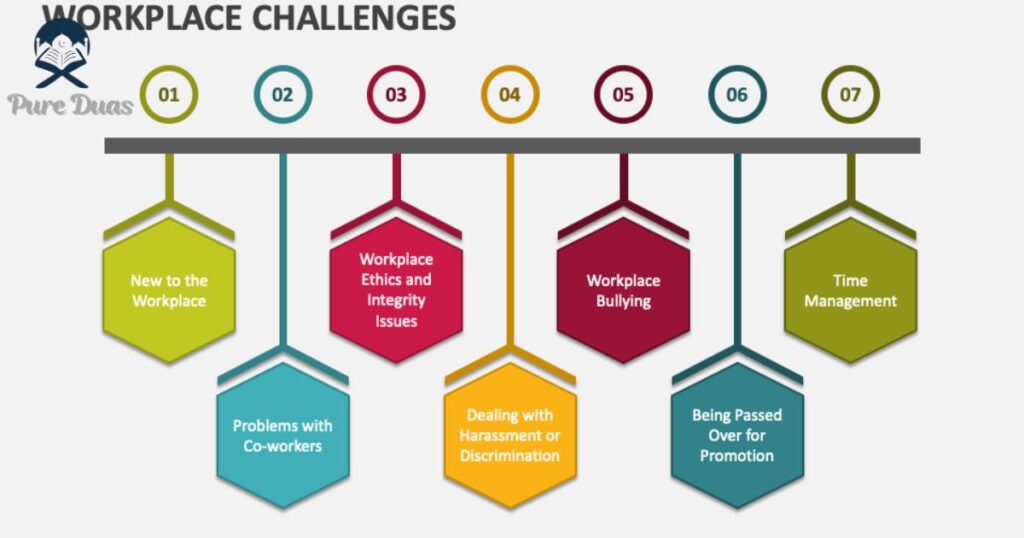
Understanding Bereavement Leave Policies
Bereavement leave policies vary significantly by employer, location, and employment type. Most companies offer some form of paid time off following death in the family.
Typical bereavement leave ranges:
| Relationship | Standard Leave | Notes |
| Immediate family | 3-5 days | Spouse, children, parents, siblings |
| Extended family | 1-3 days | Grandparents, in-laws, aunts, uncles |
| Close friends/others | 0-1 day | Varies widely by company policy |
Federal law in many jurisdictions does not mandate bereavement leave, though some states and countries have specific requirements. Check your employee handbook or HR resources for your organization’s specific policy.
Personal time, sick leave, or vacation days might supplement formal bereavement leave if you need longer absence.
Documentation requirements vary. Some employers request funeral programs, death certificates, or other verification. Understanding these expectations upfront prevents additional stress during grief.
Coordinating with HR and Management
Notify your manager and HR as soon as practically possible. Unexpected loss means this might not be immediate, and that’s understood. Communicate when you’re able.
Discuss expected absence duration honestly. If you are uncertain about the timeline, say so. Most organizations prefer transparency over precise predictions you can’t keep.
Arrange coverage for responsibilities. Identify critical tasks, upcoming deadlines, or client needs requiring attention. Provide necessary information to colleagues covering your work.
Understand return-to-work procedures. Some organizations offer phased returns, flexible schedules, or access to Employee Assistance Programs. Ask about available support.
Keep communication lines open if circumstances change. If you initially planned to return on a specific date but need more time, notify appropriate people as soon as you know.
Extended Leave Considerations
Sometimes grief and family responsibilities require longer absence than standard bereavement leave covers.
Family and Medical Leave Act (FMLA) in the United States provides unpaid, job-protected leave for certain family situations. While not specifically for bereavement, it can apply if you need to care for surviving family members.
Short-term disability might cover grief-related mental health needs if a healthcare provider documents clinical depression or similar conditions resulting from loss.
Unpaid personal leave is another option if your employer permits it and you can manage financially. This provides additional time without formal benefits protection.
Paid Time Off (PTO) banks, if your company uses them, allow you to extend bereavement leave by adding vacation or sick days to your absence.
Discuss possibilities with HR before assuming what is available. Many organizations show flexibility during genuinely difficult circumstances, even beyond formal policies.
Conclusion
Crafting appropriate bereavement out-of-office messages should not compound the stress of grief and family loss. These messages serve straightforward purposes: informing colleagues and clients about your absence, providing alternatives for urgent matters, and setting clear expectations about email availability.
Whether dealing with sudden family loss, attending a funeral, taking extended bereavement leave, or your workplace mourns a deceased employee, the right message maintains professional standards while respecting your need for personal time.
From brief “out for personal reasons” notices to more detailed explanations mentioning family bereavement, choose language matching your comfort level and workplace culture. Remember that grief doesn’t follow timelines or workplace calendars.
It is completely acceptable to be uncertain about return dates, to need more time than initially expected, or to limit disclosure about specifics of your loss. Your out of office message should work for you, not add burden during difficult circumstances.
Thank you for your understanding extends to yourself as well. Give yourself permission to step away from work, to not check email, to focus on family and healing. Professional obligations can wait. Clear, respectful communication allows you to take necessary time while maintaining work relationships and honoring your need to grieve.
Read More Blogs: Funny Daughter Quotes from mom
Frequently Asked Questions
What should I include in a bereavement out-of-office message?
Include that you’re out of office, brief reason (bereavement leave or personal matter), expected return date if known, alternative contact for urgent matters, and email checking frequency.
How long should I set my bereavement out-of-office message?
Set your message for your entire expected absence. If uncertain about the return date, the timeline is tentative. Update message if circumstances change and you need more time.
Should I specify the relationship of the deceased in my message?
This is personal preference. “Death in the family” or “family loss” provides context without specifics. You’re never obligated to disclose relationship details in professional messages.
Can I use a simple “personal matter” instead of mentioning bereavement?
Absolutely. “Personal matter” or “personal reasons” are professionally appropriate alternatives that maintain privacy. Choose language matching your comfort level with disclosure during this difficult time.
Who should I list as an alternative contact in my message?
List your manager, a colleague covering responsibilities, team lead, or general department contact. Ensure this person knows they are listed and can handle inquiries appropriately.

